
Case Study: Transforming a Traditional Home with Sustainable Solutions
TT
Introduction to Sustainable Home Transformation
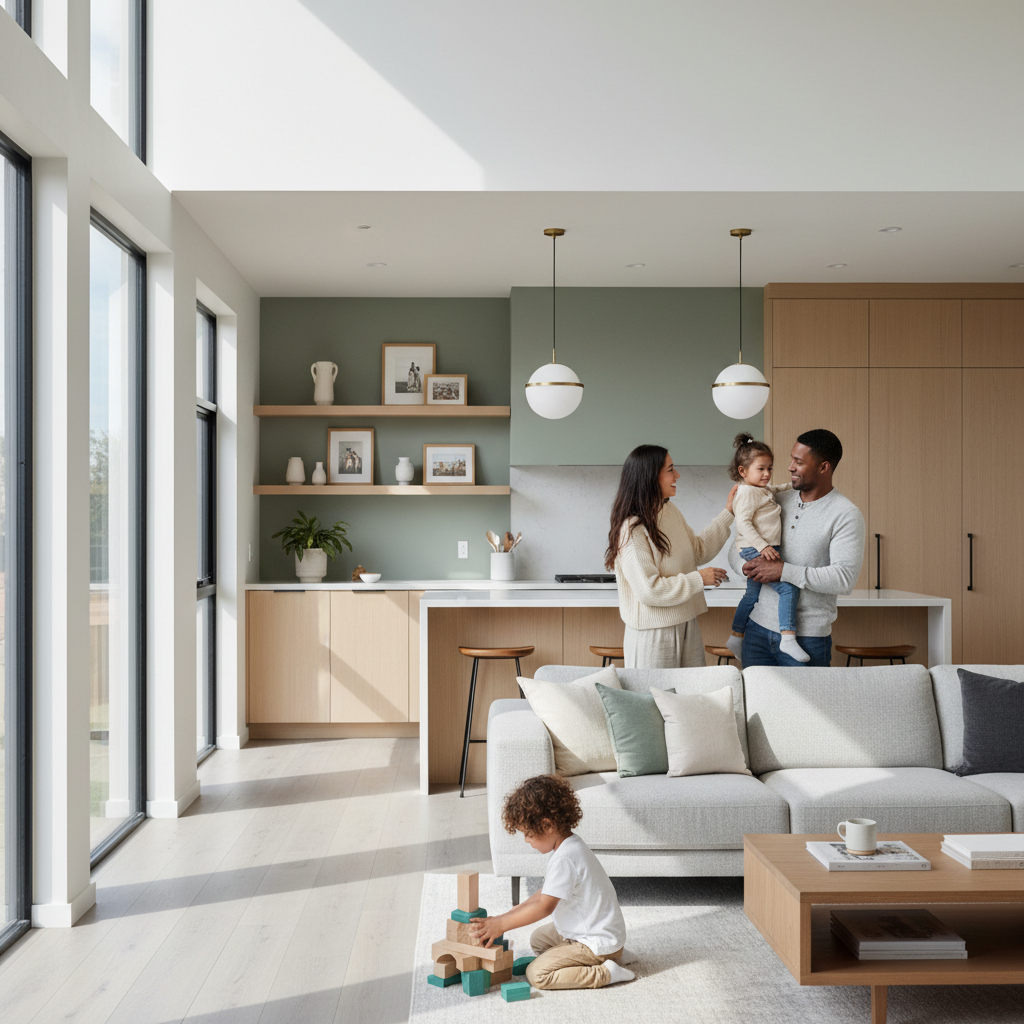
In recent years, sustainable living has gained significant momentum. Homeowners are increasingly seeking ways to transform their traditional homes into eco-friendly havens. This case study explores how one family successfully integrated sustainable solutions into their classic home, reducing their carbon footprint while enhancing comfort and style.
Identifying Areas for Improvement
Before embarking on their sustainable journey, the family conducted a comprehensive assessment of their home. They identified key areas that required attention, including energy consumption, water usage, and waste management. This initial step was crucial in setting clear goals for their renovation project.
Energy Efficiency Upgrades
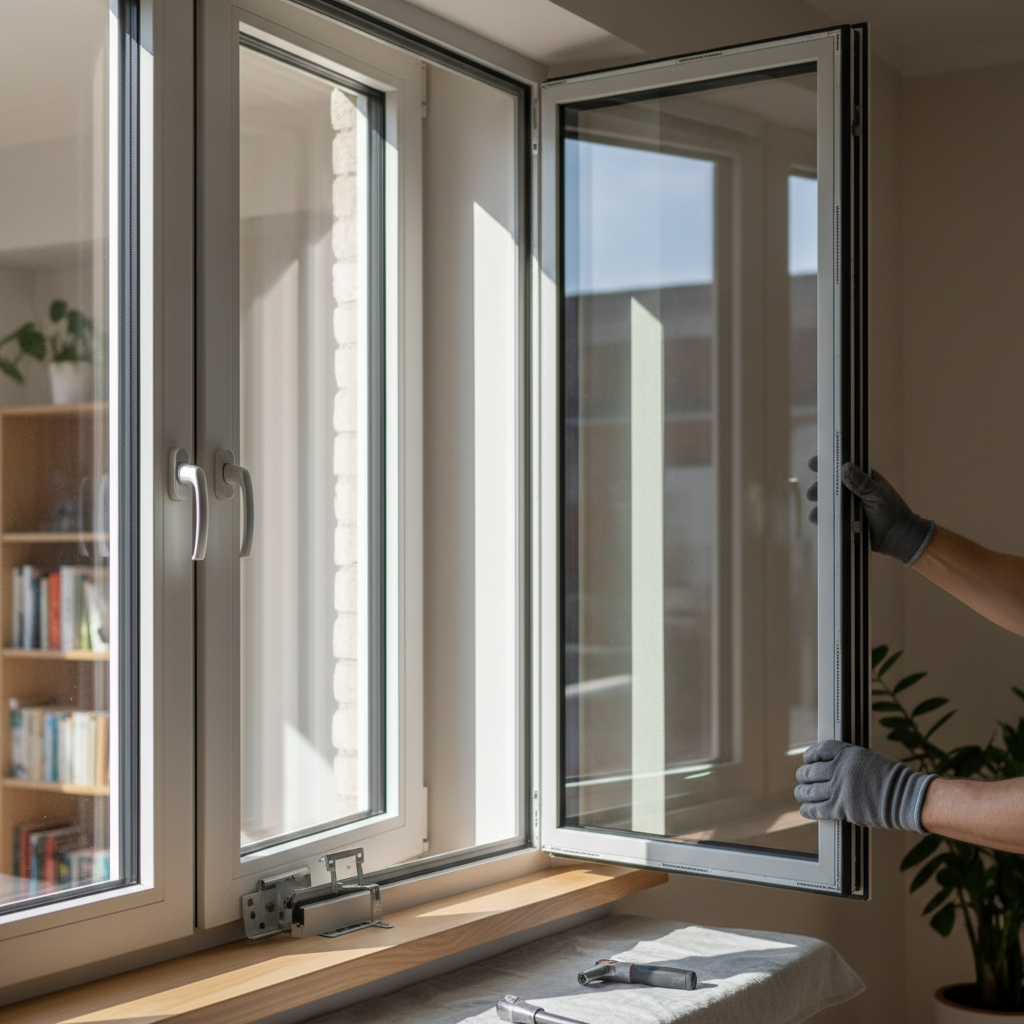
The first major upgrade was enhancing the home's energy efficiency. The family installed energy-efficient windows and doors, significantly reducing heat loss during winter and keeping the home cooler in summer. They also invested in LED lighting, which uses up to 75% less energy than traditional bulbs.
Embracing Renewable Energy
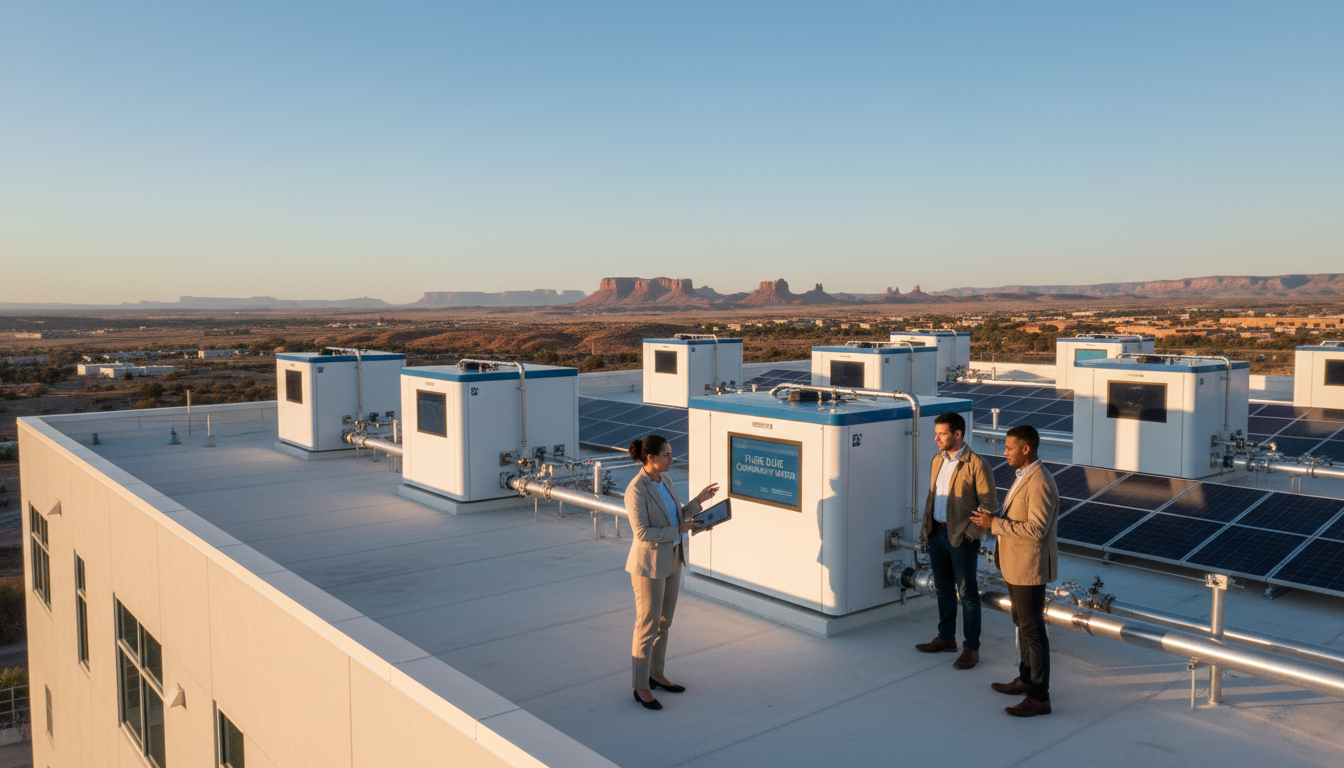
To further reduce their reliance on non-renewable energy sources, the family installed solar panels. This decision not only decreased their electricity bills but also contributed to a cleaner environment. The excess energy generated was fed back into the grid, providing additional benefits.
Water Conservation Techniques
Water conservation was another priority. The family incorporated low-flow faucets and showerheads, reducing water usage by up to 50%. They also implemented a rainwater harvesting system, which collects and stores rainwater for irrigation and other non-potable uses.
Waste Reduction Strategies
Minimizing waste was achieved through a combination of recycling and composting. The family set up a composting system in their backyard, turning kitchen scraps and yard waste into nutrient-rich soil. Additionally, they worked with local recycling programs to ensure proper disposal of materials.
Eco-Friendly Materials
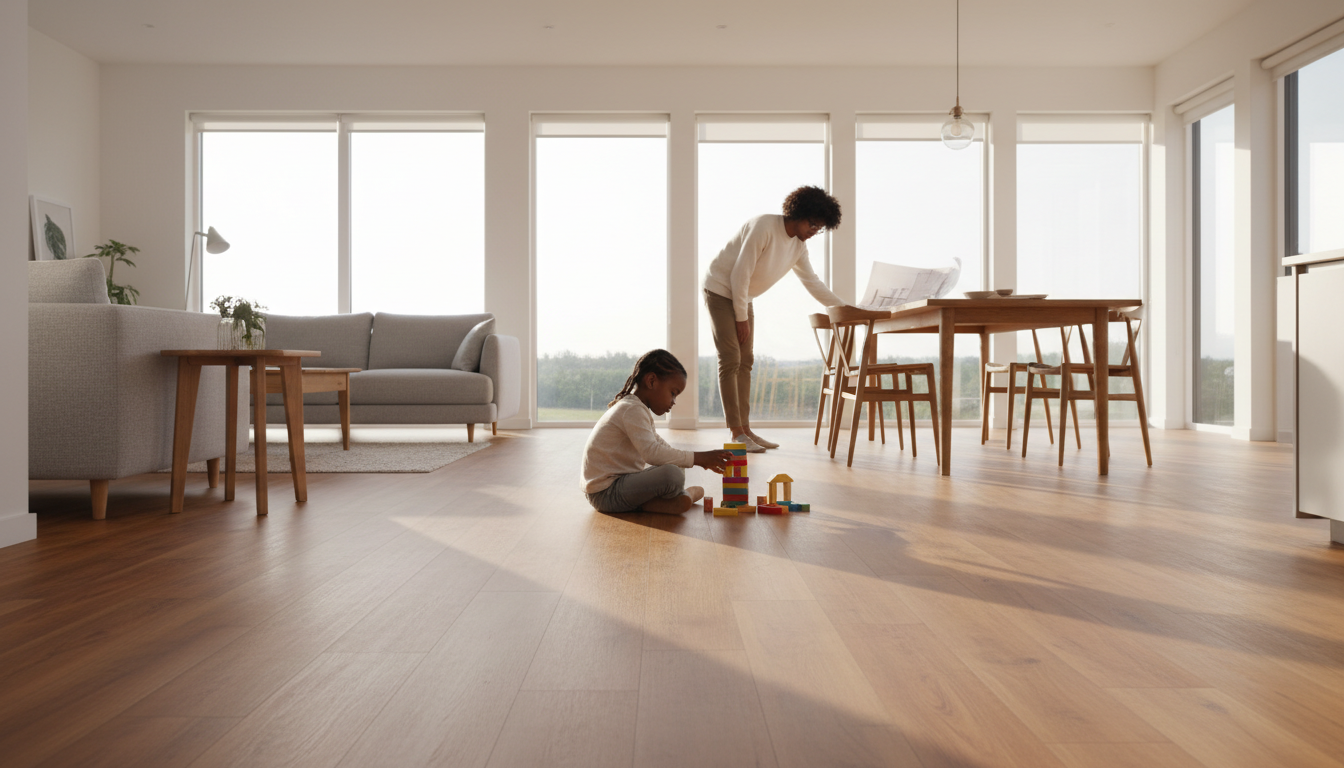
During the renovation, the family opted for eco-friendly materials such as bamboo flooring and reclaimed wood. These materials not only reduced environmental impact but also added a unique aesthetic appeal to the home. The use of non-toxic paints and finishes further enhanced indoor air quality.
Conclusion: A Model for Sustainable Living
This case study demonstrates that transforming a traditional home with sustainable solutions is both achievable and rewarding. By focusing on energy efficiency, renewable energy, water conservation, and waste reduction, homeowners can create a healthier, more sustainable living environment. This family's journey serves as an inspiring model for those looking to make a positive impact on the planet while enhancing their quality of life.